
Every time you wash a synthetic garment, tiny fibres break off and travel down the drain. Every time you wear a polyester fleece, tiny fibres shed into the air around you. These fibres are microplastics: plastic fragments smaller than five millimetres, often far smaller, invisible to the naked eye. They are now found in oceans, soil, drinking water, and household dust, and clothing is one of the largest sources.
This article looks at microplastics in clothing in plain terms: where they come from, why they matter for the environment, what is known and not known about skin contact, and why natural fibres such as wool, cotton, and linen are often a gentler choice for skin and for the planet. It is general information, not medical advice, and it avoids overstating what science has proven about health effects, because that research is still developing.
What Are Microplastics, and Where Do They Come From in Clothing?
Microplastics are tiny pieces of plastic. In clothing, they usually take the form of microfibres: short, thin strands shed from synthetic fabrics such as polyester, nylon, acrylic, and elastane. A single wash of a polyester fleece jacket can release hundreds of thousands of microfibres, and a household washing machine load can release millions. Wastewater treatment plants capture some, but not all, and the rest enter rivers and seas.
Shedding happens during manufacturing, wearing, and washing, but washing is the biggest contributor for most garments. Brushed fabrics such as fleece shed more than smooth, tightly woven fabrics. Older garments shed more than new ones, as fibres weaken with age and washing. Even drying synthetic clothing can release fibres into the air and into lint filters.
Natural fibres shed too, but they shed natural fibres, not plastic. A wool sweater sheds wool fibres, a cotton shirt sheds cotton fibres. Those fibres are biodegradable and break down in the environment over weeks or months, rather than persisting for decades or centuries like plastic fibres. That distinction is central to why natural fibres are often described as safer for the environment.
Microplastics and Skin: What We Know and What We Do Not
It is important to be honest about the science here. Researchers are still studying how microplastics interact with human skin and health. Healthy, intact skin is a strong barrier, and there is no established evidence that microfibres from clothing routinely pass through healthy skin into the body in harmful amounts. Claims that microplastics in clothing directly cause specific diseases would go beyond what current research supports.
What is clearer is the indirect picture. Synthetic fibres can carry dyes, chemical finishes, and residues from manufacturing, and those chemicals can irritate sensitive skin. Synthetic fabrics also tend to trap heat and sweat more than natural fibres, which can contribute to irritation, as discussed in our comparison of fleece and wool. Microplastics in household dust can also contribute to indoor air quality issues, especially for people with asthma or allergies, though dust contains many components besides microplastics.
For sensitive skin, the practical argument for natural fibres is therefore not that microplastics are proven to penetrate skin, but that natural fibres avoid adding plastic fibres to your immediate environment, tend to breathe better, and are less likely to be treated with the same range of synthetic finishes. It is a precautionary, comfort-based argument, not a medical claim.
Why Natural Fibers Tend to Be Kinder to Skin
Wool, cotton, linen, and silk have been worn against skin for centuries, and their properties are well understood. Cotton is soft, breathable, and easy to wash. Linen is cool, strong, and breathes exceptionally well in warm weather. Silk is smooth and causes very little friction. Wool manages moisture, resists odour, and provides warmth without excessive sweating.
Natural fibres also tend to be more comfortable over long wear. A wool or cotton garment that has absorbed some moisture still feels relatively dry and comfortable, while a polyester garment that is saturated with sweat can feel clammy and clingy. For bedding, where you spend seven or eight hours in contact with fabric, that comfort difference matters.
Blends complicate the picture. A garment labelled as cotton may contain a significant percentage of polyester, and a wool blend may include acrylic. If reducing microplastic shedding is important to you, check the fibre composition label, not just the product name. A 100 percent natural fibre garment will shed natural fibres only, while a blend will shed a mix.
Reducing Microplastic Shedding From Clothes You Already Own
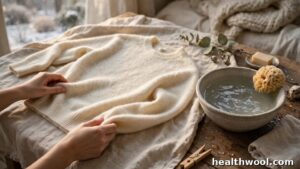
You do not need to throw away every synthetic garment you own to make a difference. Keeping clothes longer, washing them less often, and washing them gently all reduce shedding. Wash synthetic items in full loads, on a cool, gentle cycle, and avoid long, hot washes that stress fibres. A laundry bag designed to capture microfibres, or a washing machine filter if your machine supports one, can catch a significant proportion of shed fibres.
Air drying rather than tumble drying reduces fibre breakage and saves energy. When you do need to replace a garment, consider a natural fibre alternative for items worn next to the skin or used for bedding, where comfort and shedding matter most. For outerwear and technical clothing, where synthetics offer waterproofing or durability that natural fibres cannot match, keeping the item for as long as possible is itself a sustainable choice.
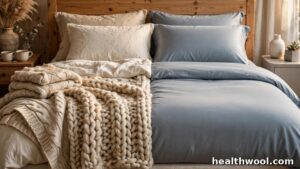
For bedding, the same principles apply. Choose natural fibre sheets, duvet covers, and blankets where practical, wash them on gentle cycles, and avoid fabric softeners that coat fibres. A wool duvet inside a cotton cover, for example, combines natural fibres throughout, with no synthetic fleece layer to shed microplastics night after night.
Choosing Natural Fibers When Shopping
Start with the label. Look for 100 percent wool, cotton, linen, or silk, and be wary of vague terms such as eco, natural feel, or sustainable blend without a fibre breakdown. If a product does not list its composition clearly, that is itself useful information.
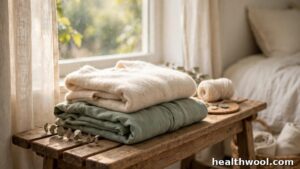
Think about the garment’s job. Next-to-skin layers, sleepwear, sheets, and blankets are the highest-value places to choose natural fibres, because they are in contact with your skin for the longest time. Outer layers, swimwear, and technical sportswear are areas where synthetics may still be the practical choice, and that is fine. A balanced wardrobe, with natural fibres where they matter most, is more realistic than an all-or-nothing approach.
Consider quality over quantity. A well-made wool sweater that lasts ten years sheds fewer total fibres, and creates less waste, than five cheap synthetic sweaters replaced every year. Buying fewer, better garments is one of the most effective ways to reduce both microplastic shedding and overall environmental impact.
The Bigger Picture: Beyond Your Skin
Microplastics from clothing are an environmental issue as much as a personal comfort issue. Once released, plastic microfibres persist in waterways, are eaten by marine life, and accumulate in soil. Choosing natural fibres, washing less and gentler, and keeping clothes longer are small actions, but multiplied across millions of households, they reduce the total flow of plastic into the environment.
That bigger picture is also why natural fibres are often described as safer, even when direct skin health effects are still being studied. A fibre that biodegrades in months is fundamentally different from a fibre that persists for centuries, regardless of what it does in the short term. For people who care about both skin comfort and environmental impact, natural fibres offer a choice that aligns those two concerns.
Key Takeaways
- Synthetic clothing sheds plastic microfibres during wearing and washing; natural fibres shed biodegradable fibres instead.
- There is no established evidence that microfibres routinely pass through healthy skin, so avoid overstated health claims.
- Natural fibres tend to breathe better and feel less clammy, which suits sensitive skin over long wear.
- Check fibre labels for 100 percent natural content, and prioritise natural fibres for sleepwear and bedding.
- Wash synthetics gently, less often, and in full loads, and keep clothes longer to reduce total shedding.
Try a free calculator
Match this guide with a number: Tog Calculator · Weighted Blanket Calculator · Sleep Cycle Calculator

Disclaimer: Content on HealthWool.com is for informational, lifestyle, and thermal wellness purposes only. It is not a substitute for professional medical advice, diagnosis, or treatment.