Your skin is home to a whole tiny world. Trillions of microscopic organisms live on its surface, quietly forming what scientists call the skin microbiome. You cannot see them, and most of the time you should not try to scrub them away. They are part of what keeps skin feeling balanced, calm, and comfortable. What you wear touches that world all day, every day, so it makes sense that fabric choice matters more than most of us realise.
This is not about fear, and it is not about perfection. It is about choosing clothes that let your skin breathe, stay at a comfortable temperature, and avoid the clammy, irritated feeling that comes from being trapped in the wrong fabric. If you have ever peeled off a synthetic top after a long day and felt instantly relieved, you already know the difference breathability can make.
What Is the Skin Microbiome, in Plain Terms?
Think of your skin as a neighbourhood. Different microbes live in different areas: oilier spots like the forehead suit some residents, while drier spots like the shins suit others. Sweat, natural oils, temperature, and humidity all shape who thrives there. When conditions stay fairly stable, the neighbourhood tends to stay settled. When conditions swing wildly — for example, when sweat is trapped against skin for hours — the balance can shift, and skin may feel itchy, prickly, or simply uncomfortable.
That does not mean microbes are the enemy. Far from it. A diverse, settled skin microbiome is generally associated with skin that feels resilient. The goal of good clothing choices is not sterilisation. It is creating a calm environment: not too hot, not too damp, and not constantly rubbed raw by a rough or clingy fabric.
It is worth saying clearly that clothing alone does not diagnose or fix skin conditions. If you have persistent rashes, flaking, soreness, or anything that worries you, a dermatologist or another qualified professional is the right person to talk to. What follows is general lifestyle information to help you choose more comfortable clothes, not medical advice.
Why Breathability Matters So Much
Breathability is simply how well air and moisture move through a fabric. A breathable fabric lets warm, humid air escape and allows sweat to evaporate instead of pooling on the skin. A fabric with poor breathability traps that warmth and moisture, creating a hot, damp layer right against your body.
Most people notice the difference first in warm rooms, during exercise, or under winter layers. A heavy, non-breathable jumper worn indoors can leave you overheated and sticky, even in January. Layers that breathe, by contrast, let you adjust: you can add a cardigan when you feel cold and take it off without finding a damp base layer underneath.
Moisture management matters for comfort, too. Natural fibres such as wool, cotton, and linen can absorb a surprising amount of moisture before they start to feel wet. Wool in particular can absorb moisture into its fibres while still feeling relatively dry to the touch, which is one reason fine merino base layers are so popular for all-day wear. Synthetics vary enormously: some modern performance fabrics wick well, while cheap, tightly woven synthetics may simply hold sweat against the skin.
Natural Fibres and the Skin Environment
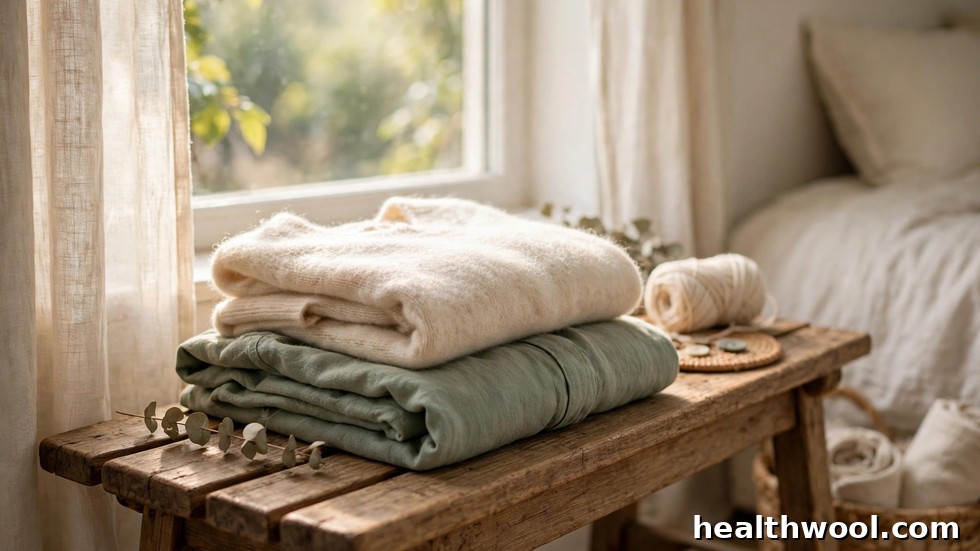
Wool deserves a special mention here because it does several jobs at once. It insulates when you are cold, breathes when you warm up, and manages moisture without turning clammy. Fine, soft wool worn against the skin feels very different from the scratchy jumpers many of us remember from childhood. If wool has bothered you before, the fibre diameter and the weave matter enormously, and a soft merino layer may feel completely different.
Cotton is the familiar favourite: soft, easy to wash, and comfortable in mild weather. Its weakness is that once it gets truly wet, it stays wet for a long time and can feel cold and heavy. That matters less for a quiet day at home and more for active days or long walks. Linen is wonderfully airy in warm weather, though it wrinkles and can feel crisp rather than cosy. Blends can offer a middle path, combining, say, wool’s temperature regulation with cotton’s softness, provided the blend still breathes well.
What matters most is not the fibre name on the label alone, but how the garment is made. A loosely knitted wool top breathes far better than a densely woven one. A lightweight cotton shirt breathes better than a heavy, coated cotton jacket. Hold a fabric up to the light, feel its weight, and notice whether air seems to pass through it. Those simple checks tell you a lot.
Fit, Seams, and Friction
Breathability is only half the story. Fit matters just as much for skin comfort. Very tight clothing traps heat and moisture and increases friction, especially at waistbands, cuffs, and underarms. Looser, well-cut garments let air circulate and reduce rubbing. That does not mean shapeless clothes: it means clothes that move with you rather than gripping you.
Seams deserve attention, too. Flat seams, soft labels, and tag-free designs reduce the small, repeated irritations that add up over a day. If you are sensitive to textures, turn a garment inside out before buying and run your fingers along the seams. Inside-out seams on base layers are a small detail that makes a big difference for many people.
Dyes and finishes can also affect comfort. Dark, heavily treated fabrics sometimes feel stiffer and less breathable than their undyed or lightly finished counterparts. Washing new clothes before first wear, with a gentle detergent, is a simple habit that removes excess finish and softens the fabric. It is a small step, but sensitive skin often notices it.
Building a Breathable Everyday Wardrobe
Start with what touches your skin first. Your base layer sets the tone for everything above it, so this is the best place to invest in breathable natural fibres. A soft merino or cotton vest, a lightweight long-sleeve top, and comfortable underwear in a breathable fabric will do more for your comfort than an expensive outer coat worn over a sweaty synthetic top.
Next, think in layers rather than single heavy pieces. Two or three lighter layers trap warm air between them, keep you warmer than one bulky layer, and let you adapt as rooms warm up and cool down. A breathable base, a soft knit mid-layer, and a light outer layer you can remove indoors is a practical formula for most winter days.
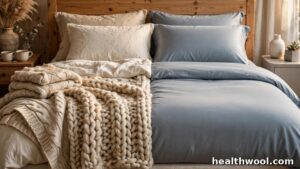
Pay attention to your sleeping clothes as well. You spend roughly a third of your life in bed, and nightwear that breathes can make nights noticeably more comfortable. Loose cotton or fine wool sleepwear, changed regularly, helps skin stay dry overnight. The same logic applies to bedding: breathable sheets and a wool duvet that regulates temperature can reduce that clammy, overheated feeling that wakes some people up.
Laundry Habits That Support Skin Comfort
How you wash clothes affects how they feel against your skin. Residue from heavy detergents, fabric softeners, and scented products can linger in fibres and irritate sensitive skin. A gentle, fragrance-free detergent, used at the recommended dose rather than extra, is usually enough. Fabric softener is best skipped on wool and on anything worn close to the skin, since it can coat fibres and reduce breathability.
Drying matters, too. Line drying or laying knitwear flat keeps fibres in good shape, while very high tumble-dryer heat can damage wool and make fabrics feel harsher. If you do tumble dry, use a low setting and take items out slightly damp. Clean, well-cared-for clothes simply feel better, and they last longer, which is good for both your skin and your wallet.
Finally, change out of damp clothes promptly. After exercise, a long walk in rain, or a warm afternoon indoors, a quick change into something dry lets skin return to a comfortable state. It sounds obvious, yet it is the habit many people skip, and it is often the one that makes the most difference.
What to Watch For When Shopping
When you shop, read the label, but also trust your hands. Check the fibre content, look for flat seams, and notice the weight of the fabric. Try the garment on and move in it: raise your arms, sit down, and walk around. Does it breathe, or does it already feel warm and close after a minute in a heated shop? That first impression is often accurate.
Be cautious about claims that sound too good. No fabric balances your microbiome, heals your skin, or replaces professional care, whatever a marketing label might imply. Honest claims sound like this: soft, breathable, moisture-managing, temperature-regulating. Those are comfort claims, and they are the ones worth paying attention to.
If you are trying a new fibre, buy one piece first and wear it for a full day before committing to more. Skin comfort is personal: what feels wonderful to one person may feel scratchy or warm to another. Your own experience, over a real day, is the best test there is.
Key Takeaways
- Your skin microbiome thrives in a stable, comfortable environment — not too hot, not too damp, and not constantly irritated by friction.
- Breathable fabrics let air and moisture escape, reducing the clammy feeling that comes from trapped sweat.
- Natural fibres like fine wool, cotton, and linen each have strengths; the weave, weight, and fit matter as much as the fibre name.
- Start with your base layer, dress in adaptable layers, and choose loose, flat-seamed garments that move with you.
- Wash gently, skip fabric softener on skin-contact layers, and change out of damp clothes promptly.
- Persistent skin concerns deserve a qualified professional, not a new jumper — clothing supports comfort, it does not replace care.
Try a free calculator
Match this guide with a number: Tog Calculator · Weighted Blanket Calculator · Sleep Cycle Calculator



Disclaimer: Content on HealthWool.com is for informational, lifestyle, and thermal wellness purposes only. It is not a substitute for professional medical advice, diagnosis, or treatment.