Skin Microbiome and Breathable Clothing Choices

Skin Microbiome and Breathable Clothing Choices
Your skin is home to a whole tiny world. Trillions of microscopic organisms live on its surface, quietly forming what scientists call the skin microbiome. You cannot see them, and most of the time you should not try to scrub them away. They are part of what keeps skin feeling balanced, calm, and comfortable. What …

Read more

How Antimicrobial Properties in Wool Prevent Body Odor

How Antimicrobial Properties in Wool Prevent Body Odor

Anyone who owns a favourite wool sweater knows a small miracle: you can wear it, air it, and wear it again, while a synthetic top worn once can smell like a locker room. That difference is not imagination. Wool fibres have natural properties that discourage the microbial growth behind much of body odor, and understanding …

Read more

Preventing Chafing During Winter Outdoor Exercise

Preventing Chafing During Winter Outdoor Exercise

Winter running, hiking, and cycling bring crisp air, quiet trails, and one unwelcome companion: chafing. Cold weather does not prevent chafing — in some ways it makes it worse, as layered clothing rubs, sweat builds up under jackets, and skin already dry from cold air becomes more vulnerable. The good news is that chafing is …

Read more

Chemical Flame Retardants in Mattress Foam vs Natural Wool Integrity

Chemical Flame Retardants in Mattress Foam vs Natural Wool Integrity

Most of us never think about what is inside a mattress until we shop for a new one and encounter a maze of claims: chemical-free, natural, flame-resistant, non-toxic. Behind those labels sits a real question about how mattresses meet fire safety standards, and what role chemical flame retardants play. This article explains, in plain language, …

Read more

Softness Ratings: Cashmere vs Alpaca vs Merino Wool Breakdown

Softness Ratings: Cashmere vs Alpaca vs Merino Wool Breakdown

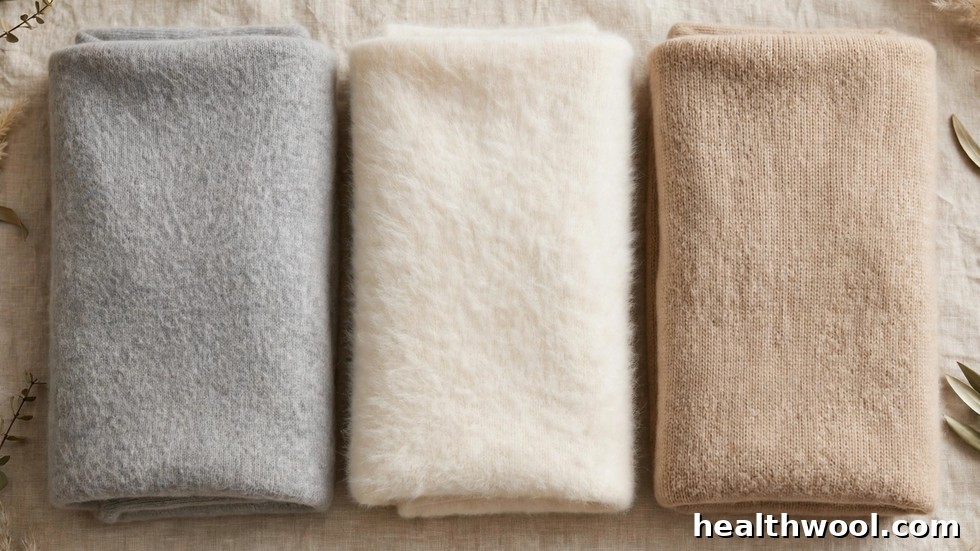
Softness is the first thing you notice when you pick up a luxury knit, and the last thing you can judge from a product photo. Cashmere, alpaca, and merino wool all claim to be the softest, yet they feel distinctly different in the hand and against the skin. This guide breaks down how softness is …

Read more

Moisture Wicking Properties of Wool for Activewear and Skin Health

Moisture Wicking Properties of Wool for Activewear and Skin Health

Anyone who exercises outdoors knows the moment when a shirt stops feeling like clothing and starts feeling like a wet towel. That clammy, heavy, chilled feeling is a moisture problem, and it is exactly where wool earns its reputation. Wool activewear has moved from niche hiking shops into mainstream running, cycling, and gym wardrobes, largely …

Read more

Choosing Non-Toxic Baby Bedding: Natural Wool and Organic Cotton

Choosing Non-Toxic Baby Bedding: Natural Wool and Organic Cotton

Choosing bedding for a baby brings out the careful shopper in all of us. Shelves are full of labels promising non-toxic, organic, natural, and chemical-free, and it is hard to know which claims matter and which are simply marketing. This guide focuses on fabric safety education: what to look for in natural wool and organic …

Read more

Lanolin Allergy Myths vs Facts: Is Raw Wool Safe for Sensitive Skin?

Lanolin Allergy Myths vs Facts: Is Raw Wool Safe for Sensitive Skin?

Wool has a loyal following among people with sensitive skin, and also a few persistent warnings. At the centre of the debate sits lanolin, the natural waxy oil that coats sheep’s wool. Some sources call lanolin a common allergen to avoid at all costs. Others point out that true lanolin allergy is rare, and that …

Read more

Breathability Ratings: Cotton vs Linen vs Merino Wool

Breathability Ratings: Cotton vs Linen vs Merino Wool

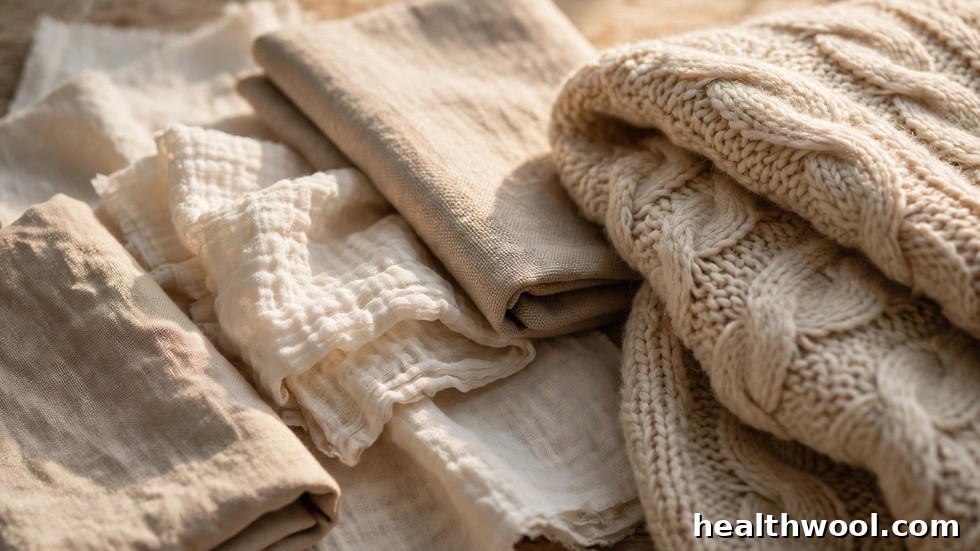
Breathability is one of those words that appears on almost every bedding and clothing label, yet it rarely comes with a number you can compare. What does it actually mean for a fabric to breathe, and how do cotton, linen, and merino wool really stack up? The short answer is that all three breathe well, …

Read more

Contact Dermatitis from Dyes and Synthetic Clothing Fabrics

Contact Dermatitis from Dyes and Synthetic Clothing Fabrics

A new sweater, a pair of leggings, a freshly dyed pair of jeans — most of us put them on without a second thought. But for some people, a new garment brings an itchy, red, uncomfortable rash within hours or days. One common explanation is contact dermatitis linked to clothing: skin reacting to something it …

Read more

HealthWool is an independent guide to cozy sleep, thermal comfort, and natural textiles. All content is for informational and lifestyle purposes only and is not a substitute for professional medical advice, diagnosis, or treatment.

Stay in the loop

Get the newest guides in your inbox. No spam, unsubscribe anytime.