Choosing bedding for a baby brings out the careful shopper in all of us. Shelves are full of labels promising non-toxic, organic, natural, and chemical-free, and it is hard to know which claims matter and which are simply marketing. This guide focuses on fabric safety education: what to look for in natural wool and organic cotton baby bedding, which certifications are genuinely useful, and how to build a simple, breathable sleep setup. It offers general information about fabrics only, not medical guidance for infants. For questions about your baby’s sleep, health, or development, a qualified health professional is always the right person to ask.
What “Non-Toxic” Means on a Bedding Label
There is no single legal definition of non-toxic for bedding, which is part of why the term is so confusing. In practice, shoppers usually use it to mean bedding made without harmful chemical residues — no harsh flame-retardant chemicals added to the fill, no formaldehyde-based wrinkle treatments, no heavy-metal dyes, and no strong chemical finishes. That is a reasonable goal, but because the word itself is unregulated, it helps to look past it to specifics: fibre content, certifications, and care instructions that you can actually verify.
A more reliable approach is to ask three questions about any product. What is it made of? What certifications back up the claims on the label? And how is it meant to be washed and cared for? A product that answers all three clearly — for example, organic cotton with a named certification, a washable cover, and transparent care guidance — is easier to trust than one that relies on a single vague word. Keep the packaging or a photo of the label, so you can check details later if needed.
Why Natural Wool and Organic Cotton Appeal to Parents
Natural wool and organic cotton appeal for complementary reasons. Wool is excellent at managing moisture and temperature. A wool-filled mattress pad or blanket layer can absorb moisture vapour and release it gradually, helping the sleep surface stay drier and more even in temperature. That moisture management is one reason wool has been used in bedding for generations. Organic cotton, meanwhile, is soft, breathable, easy to wash, and familiar — qualities that matter enormously when bedding needs frequent laundering.
Organic cotton differs from conventional cotton mainly in farming and processing. Organic farming avoids synthetic pesticides and fertilisers on the crop, and certified organic processing limits certain harsh chemicals. The Global Organic Textile Standard, often shortened to GOTS, is the most widely recognised certification covering both farming and processing, including limits on dyes and finishes. When you see a GOTS label, it means an independent certifier has checked the supply chain, not just the final product’s marketing copy.
Understanding Certifications Without the Jargon
GOTS: Global Organic Textile Standard
GOTS is the gold standard for organic textiles. It requires a minimum percentage of certified organic fibre, restricts a long list of chemicals in processing, and includes social criteria for workers. For baby bedding, a GOTS-certified product offers the strongest assurance that organic claims have been independently verified from farm to finished item.
OEKO-TEX Standard 100
OEKO-TEX Standard 100 tests the finished textile for harmful substances, including certain dyes, heavy metals, and formaldehyde. It does not require the fibre to be organic, but it does provide reassurance that the finished product has been tested against a defined list. Class I in this system is the strictest category, designed for baby products, so it is worth looking for on baby bedding specifically.
Other Labels to Know
You may also see GOTS-adjacent claims, wool-specific assurances, and retailer own-brand standards. Treat any label you do not recognise as a prompt to look it up, not as a guarantee. A genuine certification will name the certifying body and often carry a licence number you can check. If a product claims organic status but names no standard, that claim is harder to verify.
Building a Simple, Safe Sleep Setup
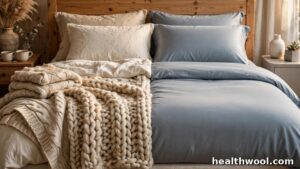
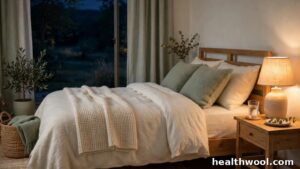
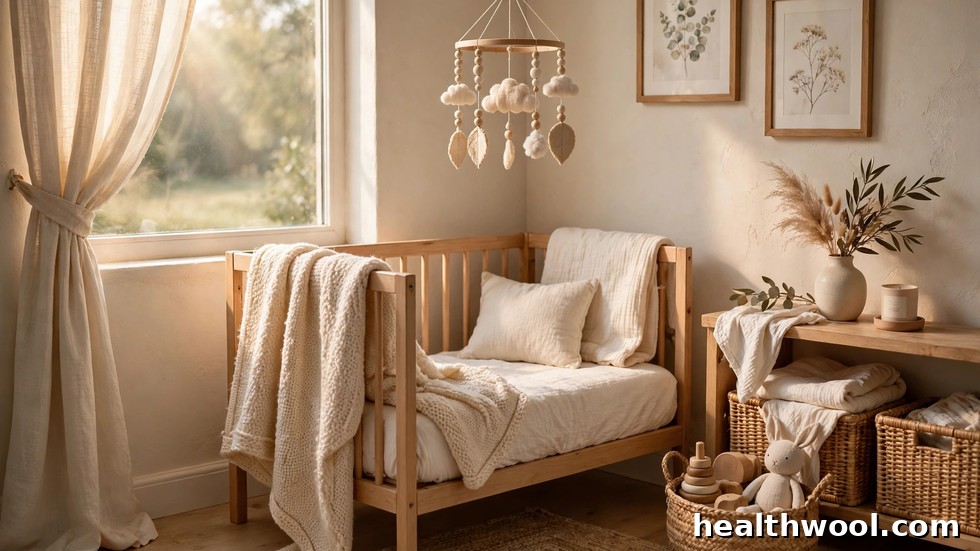
Simplicity serves babies well. A firm, flat mattress that fits the cot snugly, a fitted sheet in organic cotton, and a light, breathable layer are the core of most setups. Wool can play a role as a mattress protector or under-blanket layer, where its moisture management helps without adding bulk on top of the baby. Whatever you choose, follow the sleep guidance provided by your country’s health authorities for safe sleep positioning and room setup, and keep the cot free of loose pillows, heavy blankets, and soft toys, especially for young infants.
Washability is a practical safety feature in its own right. Baby bedding gets washed often, and bedding that survives frequent washing stays cleaner and fresher. Organic cotton sheets and covers are usually machine washable, which makes them easy to keep fresh. Wool mattress pads and toppers vary: some are machine washable on a gentle cycle, others are spot-clean only and best protected by a washable cotton cover. Check care labels before buying, and favour items whose care routine you can realistically maintain.
Flame Retardants and Chemical Finishes: What to Ask
Many parents specifically want to avoid added chemical flame retardants, and wool is often mentioned in this context because wool fibre is naturally slow to ignite and tends to self-extinguish rather than melt or burn vigorously. That natural behaviour is one reason some wool bedding products can meet flammability requirements without added chemical treatments. However, regulations vary by country, and a product’s compliance route is not always obvious from its marketing.
When shopping, ask the seller directly whether chemical flame retardants have been added, and whether the product relies on the fibre’s natural properties or on a barrier fabric to meet standards. A clear, specific answer is a good sign. Vague reassurances are less helpful. The same approach works for wrinkle-resistant finishes, waterproof coatings, and stain treatments: ask what was used, and prefer products that can explain their finishes plainly. If a seller cannot answer, that itself is information.
Practical Shopping Checklist
Before you buy, run through a short checklist. Is the fibre content clearly stated, and is organic status backed by a named certification? Is the product washable in a way that suits your routine? Does it fit your cot or crib mattress snugly, without excess fabric? Can the seller explain flame-retardant and finish choices clearly? And does the item feel soft, smooth, and free of scratchy seams, loose threads, or strong chemical smells when you handle it? A strong smell on a new product is a reason to air it thoroughly or return it, not something to ignore.
Air new bedding before first use, even if it is certified. Unpack it, let it breathe in a well-ventilated room for a day, and wash washable items according to their care labels. This simple step removes dust and any residual manufacturing odours. Inspect seams and fastenings before each use, and retire any item that becomes worn, torn, or misshapen. Bedding safety is not a one-time purchase decision; it is an ongoing habit of checking, washing, and replacing as needed.
Balancing Budget, Values, and Practicality
Certified organic wool and cotton bedding can cost more than conventional alternatives, and it is understandable to weigh that against a family budget. You do not need to replace everything at once. Many parents start with the items closest to the baby’s skin and washed most often — fitted sheets and mattress protectors — and add wool layers later. Second-hand bedding deserves caution: without labels and history, certifications and care information are unknown, and hygiene is harder to guarantee. When in doubt, new, certified basics are a safer investment than a bargain with an unclear past.
It also helps to remember that fabric choices are only one part of a healthy sleep environment. Room temperature, ventilation, humidity, and a consistent, calm bedtime routine all contribute to restful nights. No bedding, however natural or certified, can substitute for those broader habits, or for professional guidance on infant sleep and health. Think of good bedding as one supportive piece of a larger picture, not as a solution on its own.
Key Takeaways
- “Non-toxic” is unregulated, so look past the word to fibre content, named certifications, and clear care instructions.
- GOTS certifies organic fibre and processing; OEKO-TEX Standard 100 Class I tests finished baby textiles for harmful substances.
- Wool offers moisture and temperature management; organic cotton offers softness, breathability, and easy washing.
- Ask sellers directly about added flame retardants and finishes, and prefer clear, specific answers.
- Keep sleep setups simple, washable, and well-fitting, and seek professional advice for any infant health or sleep questions.
Choosing baby bedding does not need to be overwhelming. With a little label literacy, a preference for certified natural fibres, and a focus on washability and simplicity, you can build a sleep setup that feels good to you and comfortable for your baby. Wool and organic cotton each bring real strengths, and together they make a thoughtful, practical pairing. The most important thing is not a perfect product, but an informed choice — and the confidence that comes from knowing exactly what is in your baby’s bed.
Try a free calculator
Match this guide with a number: Tog Calculator · Weighted Blanket Calculator · Sleep Cycle Calculator


Disclaimer: Content on HealthWool.com is for informational, lifestyle, and thermal wellness purposes only. It is not a substitute for professional medical advice, diagnosis, or treatment.