
Laundry detergent is one of those everyday products we rarely think about, yet it touches everything that touches us. Your sheets, your towels, your base layers, your child’s pyjamas: all of them carry traces of whatever you washed them in. If your skin is sensitive, or if you invest in natural fabrics like wool and cotton, the detergent you choose matters far more than its price or its scent suggests.
Eco-friendly detergents promise a gentler approach: plant-based ingredients, fewer harsh chemicals, less plastic, and formulas that are kinder to waterways. But not every product with a green leaf on the packet lives up to the promise, and not every eco formula suits wool. This guide will help you choose wisely, wash effectively, and keep both your skin and your favourite fabrics happy.
Why Conventional Detergents Can Irritate
Many conventional detergents contain fragrances, optical brighteners, and strong surfactants designed to make clothes look bright and smell fresh. For most people, residues rinse away well enough to cause no trouble. For sensitive skin, however, residues can linger in fibres, especially in thick knitwear, towels, and bedding, and cause itching or discomfort. Fragrance is one of the most common culprits, because scent compounds are designed to cling to fabric.
Overdosing makes the problem worse. Using more detergent than recommended does not make clothes cleaner; it leaves more residue behind and can make fabrics feel stiff or coated. If your towels feel scratchy or your knitwear feels less soft than it used to, excess detergent may be part of the reason, not just wear and tear.
Natural fabrics add another consideration. Wool is a protein fibre, and harsh alkaline detergents, bleach, and high heat can damage it, making it feel rough and shortening its life. Cotton is hardier, but it too can be dulled by brighteners and stiffened by residue. A detergent that is gentle on skin is often also gentler on fibres, which is a happy coincidence.
What “Eco-Friendly” Should Actually Mean
A genuinely eco-friendly detergent usually has several features: plant-based or readily biodegradable surfactants, no phosphates, no chlorine bleach, no optical brighteners, and no synthetic fragrance. Packaging matters too: concentrated formulas, refill options, and cardboard or reusable containers reduce plastic waste. Certifications from independent bodies can help you sort real claims from marketing, though no single label tells the whole story.
Be wary of vague words like “natural,” “green,” and “gentle” without specifics. A product can use one plant-derived ingredient and still contain synthetic fragrance and brighteners. Turn the packet over and read the ingredient list. Shorter, clearer lists are usually a good sign, and fragrance-free versions are the safest bet for sensitive skin, even if the fragrance is described as natural. Essential oils can also irritate sensitive skin, so fragrance-free means truly fragrance-free.
Concentration is another eco win. A concentrated liquid or a sheet detergent uses less packaging and less transport weight than a bulky bottle of dilute liquid. Sheets and strips are particularly handy for travel and for precise dosing, since there is no temptation to pour a little extra “just in case.”
Choosing for Sensitive Skin
If sensitive skin is your main concern, start with a fragrance-free, dye-free formula designed for sensitive skin. Dermatologically tested products are not a guarantee, but they have usually been formulated with fewer known irritants. Wash new clothes before first wear, and consider an extra rinse cycle for bedding and base layers, which spend the longest against your skin.
Introduce one new product at a time. If you change detergent, softener, and dryer sheets all at once and your skin reacts, you will not know which change caused it. Give a new detergent a few weeks of regular use before judging it, and keep the old product’s details handy in case you need to switch back.
Remember that laundry is only part of skin comfort. If you have persistent itching, rashes, or soreness, talk to a qualified professional rather than assuming detergent is the cause. Skin concerns have many possible triggers, and a professional can help you narrow them down. Detergent choice supports comfort; it does not diagnose or treat skin conditions.
Choosing for Wool and Natural Fabrics
Wool needs a detergent that is pH-neutral or close to it, and free from bleach and enzymes that attack protein fibres. Many eco detergents meet these criteria, but not all: some plant-based formulas still contain protease enzymes designed to break down protein stains, which can damage wool over time. Look for a detergent specifically labelled for wool and delicates, or check that the formula is enzyme-free if you wash a lot of wool.
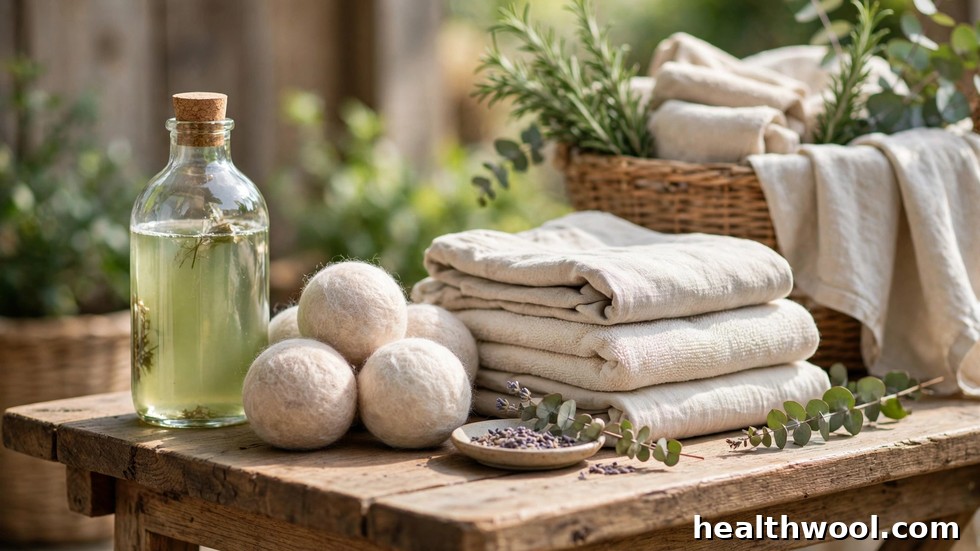
For everyday cotton, linen, and blends, most eco detergents work well at 30 or 40 degrees. Cold washes save energy and are kinder to colours, though heavily soiled items may need a warmer wash. Avoid fabric softener on wool, towels, and performance fabrics: it coats fibres, reduces absorbency, and can make wool feel greasy. Wool dryer balls are a good alternative in the dryer, softening clothes naturally and reducing drying time.
Hand washing deserves a mention. A small amount of gentle wool detergent in lukewarm water, with no wringing and flat drying, is the gold standard for knitwear. It takes a few extra minutes, but it preserves shape, softness, and colour far better than a machine cycle. Keep a dedicated basin and a bottle of wool detergent, and hand washing becomes a quick, calming routine rather than a chore.
Washing Well: Technique Matters as Much as Product
Even the best detergent cannot compensate for poor technique. Sort clothes by colour and fabric, turn knitwear inside out, and close zips and buttons to prevent snagging. Use a mesh bag for delicates and small items. Do not overload the machine: clothes need room to move freely, or detergent cannot rinse out properly.
Measure your dose. Most people use too much, especially with concentrated formulas. Check the packet for your water hardness and load size, and use the smallest recommended dose first. You can always wash again if something is still dirty, but you cannot easily undo residue build-up without several rinse cycles.
Clean your machine regularly, too. A monthly hot empty wash, or a manufacturer-recommended cleaning cycle, prevents detergent and mould build-up that can transfer to your laundry. Wipe the door seal and leave the door ajar after washing to let the drum dry. A clean machine means cleaner, fresher-smelling clothes, whatever detergent you use.
Stains, Smells, and Hard Water
Eco detergents sometimes get a reputation for weak stain removal, but technique usually matters more than strength. Treat stains promptly: blot, do not rub, and apply a little detergent or a paste of bicarbonate of soda directly to the stain before washing. Soaking in lukewarm water for thirty minutes helps most everyday stains without harsh chemicals.
For odours, especially in sportswear and wool that has been worn many times, a soak in water with a splash of white vinegar before washing can help, followed by a normal wash. Vinegar also helps dissolve detergent residue in hard-water areas. Avoid vinegar on silk and be cautious with very delicate items, but for cotton and sturdy wool it is a useful, cheap tool.
Hard water reduces detergent effectiveness and leaves mineral deposits on fabric. If you live in a hard-water area, you may need a slightly larger dose, or a detergent formulated for hard water. A water softener for the whole house is a bigger investment, but it improves every wash and reduces scale in your machine.
Detergent Formats: Liquid, Powder, Sheets, and Pods
Format is mostly a matter of convenience, but each has trade-offs. Liquids dissolve easily in cold water and are simple to dose for hand washing, though bulky bottles create plastic waste. Powders are often cheaper per wash and pack well in cardboard, but they can leave residue if they do not dissolve fully in cold or short cycles. Pods are convenient and pre-dosed, yet they are easy to overdose on small loads and are not ideal for hand washing wool. Sheets and strips are the newest option: light, plastic-free, precisely dosed, and excellent for travel, though they may struggle with very heavy soiling on their own.
Whichever format you choose, store it safely away from children and pets, follow the packet dose, and keep the product dry. A detergent that clumps, leaks, or is used at double strength helps nobody, however eco-friendly its ingredients may be.
Key Takeaways
- Fragrance, brighteners, and excess detergent residue are common reasons laundry irritates sensitive skin — fragrance-free and correctly dosed is the safest starting point.
- Real eco credentials mean biodegradable ingredients, no phosphates or chlorine bleach, and low-plastic packaging, not just a green label.
- Wool needs pH-neutral, bleach-free, ideally enzyme-free detergent, lukewarm water, and flat drying.
- Skip fabric softener on wool and towels; wool dryer balls soften naturally without coating fibres.
- Technique matters: sort, do not overload, measure doses, treat stains promptly, and clean your machine regularly.
- Persistent skin problems deserve professional advice — detergent can support comfort, not replace care.
Try a free calculator
Match this guide with a number: Tog Calculator · Weighted Blanket Calculator · Sleep Cycle Calculator



Disclaimer: Content on HealthWool.com is for informational, lifestyle, and thermal wellness purposes only. It is not a substitute for professional medical advice, diagnosis, or treatment.