If you have ever pulled on a wool sweater and immediately wanted to take it off again, you are not alone. That prickly, itchy feeling is many people’s first association with wool, and it puts a lot of shoppers off trying wool bedding or clothing again. Yet many of those same people happily wear merino wool base layers, sleep under wool duvets, and never feel a hint of itch. What explains the difference?
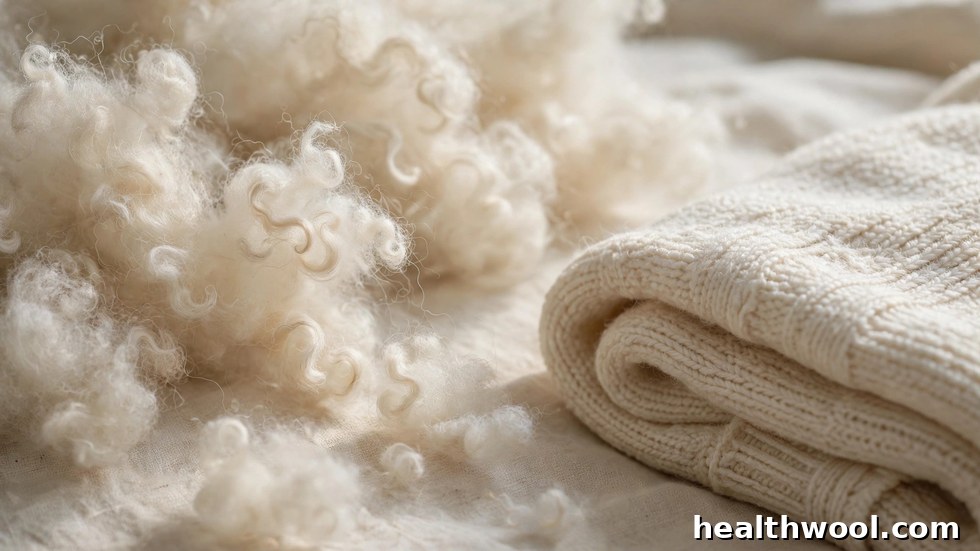
The answer lies largely in fibre diameter, measured in microns. A micron is one millionth of a metre, and in wool terms, smaller is usually softer. Coarse wool fibres are thick and stiff, so they bend less easily against the skin and can trigger a prickle sensation. Fine merino fibres are thin and flexible, so they bend when they touch the skin rather than poking it. That single difference explains why one wool garment feels scratchy and another feels like a second skin.
This article explains micron counts in plain language, looks at what else affects whether wool feels itchy, and helps you choose wool products that are comfortable for your skin. It is general information only. If you have a diagnosed skin condition, a wool allergy, or persistent itching, speak to a qualified professional for personal advice.
What Is a Micron Count?
A micron count is the average diameter of the wool fibres in a product, measured in microns. To give you a sense of scale, a human hair is roughly 70 microns thick. Wool fibres used in clothing and bedding are much finer than that, typically ranging from under 18 microns for ultrafine merino to over 30 microns for coarse wool.
The key threshold is around 25 microns. Research on skin comfort has repeatedly found that fibres thicker than about 25 to 30 microns are more likely to cause a prickle sensation, because they are stiff enough to activate nerve endings in the skin when they press against it. Fibres finer than that tend to bend on contact, so they do not trigger the same response. This is not about an allergic reaction. It is a mechanical sensation: thick fibres poke, fine fibres flex.
That is why micron count is a useful shopping shortcut. A product labelled as 19.5 micron merino is likely to feel noticeably softer than a product made from 28 micron wool, even if both are called wool. The number gives you a more reliable guide than vague words like soft or luxury, which any brand can use.
Merino Micron Ranges Explained
Ultrafine merino, under 18.5 microns, is the softest and most expensive category. It is used for next-to-skin garments, baby clothing, and high-end base layers. It feels silky, drapes well, and is the least likely to cause prickle. If you have very sensitive skin, this is the range to look for, though it can be delicate and may need gentler care.
Superfine merino, from 18.6 to 20 microns, is also very soft and is widely used for quality sweaters, base layers, and bedding. Most people, including many with sensitive skin, find this range comfortable against bare skin. Fine merino, from 20.1 to 21.5 microns, is still soft for most wearers, though people with very reactive skin may notice a difference compared with superfine.
Medium merino, from 21.6 to 22.5 microns, suits mid-layer sweaters and outerwear worn over another layer. Fine-medium, up to around 24 microns, can still feel comfortable, especially in a loosely knitted garment or when worn over a base layer. Above 25 microns, wool is more likely to feel prickly next to bare skin, and is better suited to outer layers, blankets used over a sheet, or products where the wool does not touch the skin directly.
Why Some Wool Feels Itchy and Some Does Not
Micron count is the biggest factor, but it is not the only one. The way wool is processed matters. Wool that has been poorly scoured, or that contains short, broken fibres sticking out of the yarn, can feel scratchier than its micron count suggests. High-quality yarns with longer, smoother fibres tend to feel softer.
Knit or weave also matters. A tightly knitted, smooth fabric will feel different from a loosely knitted, fuzzy one, even at the same micron count. A brushed or fluffy surface can tickle the skin, while a smooth jersey knit feels calmer. If you are shopping in person, touch the inside of the garment, which is the side that will be against your skin, not just the outside.
Skin condition plays a role too. Dry skin, eczema, or skin that is already irritated is more reactive to any texture, including fine wool. In winter, when skin tends to be drier, a garment that felt fine in summer might feel less comfortable. Keeping skin moisturised, as part of your normal skincare routine, can make a difference to how any fabric feels, though this is general comfort advice, not medical guidance.
Is It an Allergy or Just Prickle?
True wool allergy is uncommon. Most people who say they are allergic to wool are actually reacting to the prickle sensation from coarse fibres, or to lanolin, the natural oil found in wool, or to chemicals used in processing and dyeing. These are different issues with different solutions, and it is worth distinguishing them.
Prickle is a physical sensation that stops when you remove the garment and does not usually leave a rash. If fine merino feels comfortable for you, prickle was likely the issue. Lanolin sensitivity, by contrast, can cause redness or itching that lingers, and may affect you even with fine wool. Processed wool products vary in how much lanolin remains, and some are treated to reduce it.
If you experience a rash, swelling, persistent redness, or itching that does not settle after removing a wool product, stop wearing it and speak to a healthcare professional or dermatologist. They can help identify whether you have a contact sensitivity, eczema, or another skin issue. Do not try to diagnose yourself from an article, and do not keep wearing a product that clearly irritates your skin in the hope that you will get used to it.
Choosing Wool That Feels Good on Your Skin
Start with the label. Look for a micron count if it is given, and favour 21.5 microns or finer for next-to-skin wear if you are sensitive. If no micron count is listed, look for terms such as superfine merino, ultrafine merino, or extra-fine merino, and be cautious with generic wool that does not specify fineness.
Consider blends. A wool blend with silk, cotton, or a small amount of a soft synthetic can feel smoother and be more durable than pure wool, though blends vary widely. A blend is not automatically better or worse; it depends on the quality of the fibres and the construction. Read reviews from people with sensitive skin, but remember that skin sensitivity varies, so one person’s experience is a guide, not a guarantee.
Try before you commit where possible. Wear a new wool garment around the house for an hour before removing tags, or sleep one night with a new wool blanket over a sheet rather than directly against your skin. This gives you a realistic test without ruining the product if it does not suit you. Wash new wool items in gentle wool detergent before first wear, as this can remove processing residues that contribute to itch.
Wool Bedding and Sensitive Skin
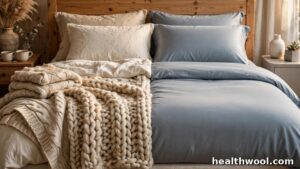
Bedding is a special case, because you spend hours in contact with it every night. A wool duvet inside a cotton cover rarely touches your skin directly, so micron count matters less than it does for a sweater. A wool blanket used as a top layer over a sheet is similar. If you like to sleep with a wool blanket directly against your skin, however, choose a fine, smooth wool and wash it gently before use.
Pillowcases and sheets are usually cotton or another smooth fibre for good reason: they are the layers closest to your face and body. Wool works best as the insulating layer underneath or on top of those smooth layers. That way you get wool’s warmth and breathability without direct friction on sensitive skin.
If you have eczema or very sensitive skin, keep your bedding routine simple and consistent. Use fragrance-free detergent, wash bedding regularly, and introduce one new product at a time so you can tell what, if anything, affects your skin. If your skin flares, speak to a professional rather than guessing which product is responsible.
Key Takeaways
- Itch from wool is usually prickle from coarse fibres, not an allergy, and finer fibres bend rather than poke.
- Micron count is a practical guide: under 21.5 microns is a good target for next-to-skin comfort.
- Yarn quality, knit, and skin dryness also affect how wool feels.
- True rashes or persistent irritation deserve professional advice, not trial and error.
- For bedding, use wool as an insulating layer under or over a smooth cotton sheet if your skin is sensitive.
Try a free calculator
Match this guide with a number: Tog Calculator · Weighted Blanket Calculator · Sleep Cycle Calculator

Disclaimer: Content on HealthWool.com is for informational, lifestyle, and thermal wellness purposes only. It is not a substitute for professional medical advice, diagnosis, or treatment.